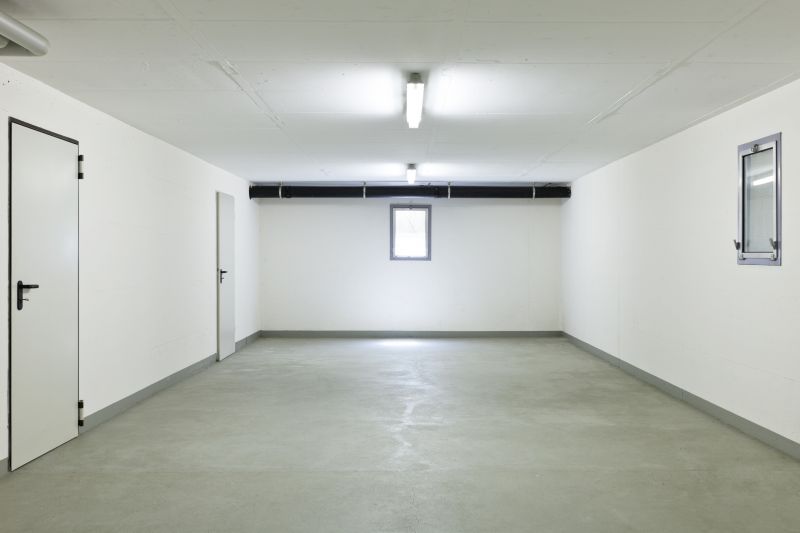
Basement Concrete Pouring in Charleston, SC
Basement concrete pouring services involve the installation of a durable concrete foundation or flooring within a basement space. This process typically includes preparing the area, setting forms, and pouring concrete to create a stable, level surface that supports the structure above or provides a solid base for finishing projects. Common projects include creating new basement floors, underpinning existing foundations, or preparing spaces for additional rooms, storage areas, or recreational areas. Property owners usually want to understand the scope of preparation required, the quality of materials used, and how the poured concrete will impact the longevity and stability of their basement.
Before requesting basement concrete pouring services, homeowners should consider factors such as the condition of the existing foundation, drainage and moisture control, and any necessary permits or inspections. It’s also helpful to clarify the desired outcome, whether for a finished flooring surface or structural reinforcement, and to discuss any specific requirements for curing or finishing the concrete. Proper planning and understanding of these elements can ensure the project meets expectations for durability, safety, and functionality.
Many property owners in Charleston, SC look into Basement Concrete Pouring for repairs, replacements, upgrades, and appearance-related improvements.
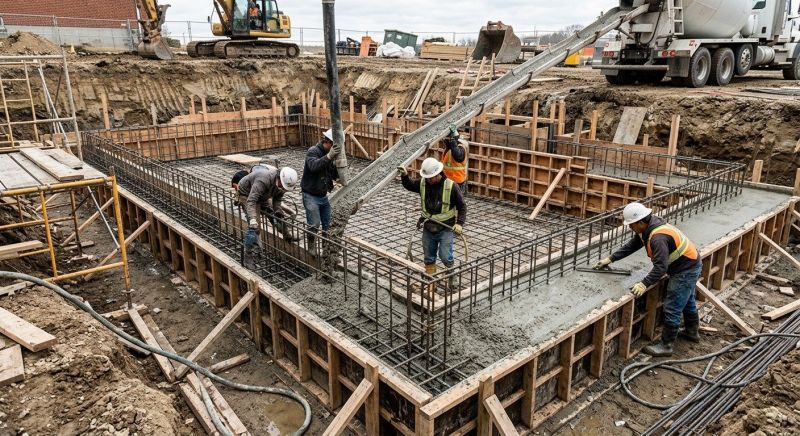
Foundation Stability
Proper concrete pouring ensures a strong and durable basement foundation for charleston homes.
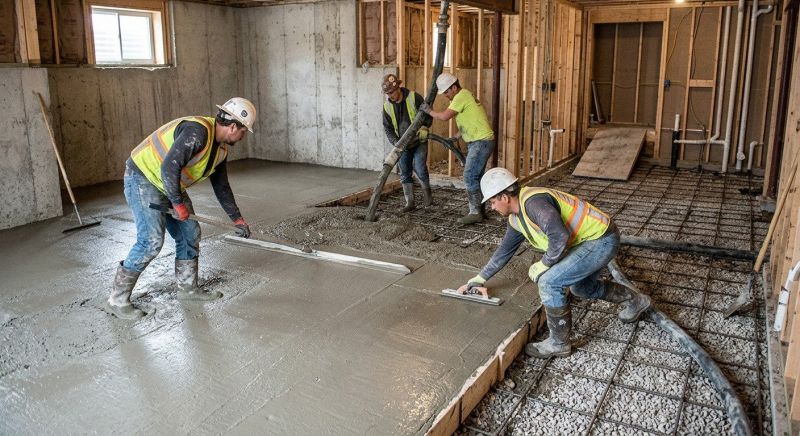
Moisture Control
A well-poured basement concrete helps prevent water leaks and maintains a dry interior space.
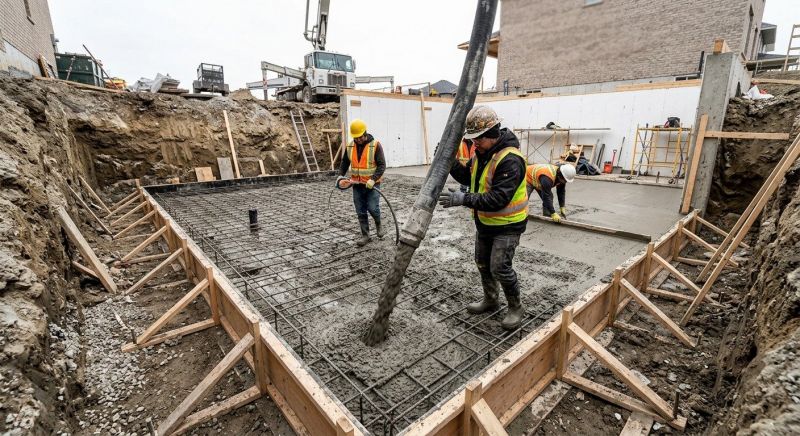
Structural Integrity
Quality concrete work supports the long-term safety and value of residential and commercial properties in the area.
Basement Concrete Pouring in Charleston, SC
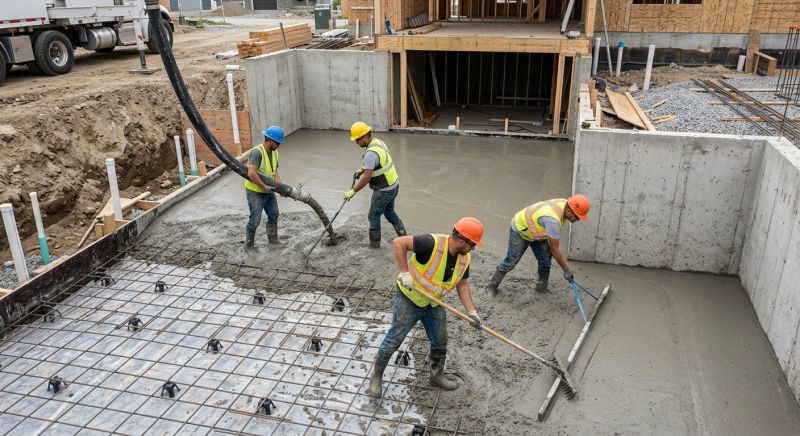
Basement concrete pouring services involve the installation of a durable concrete foundation or flooring within a basement space. This process typically includes preparing the area, setting forms, and pouring concrete to create a stable, level surface that supports the structure above or provides a solid base for finishing projects. Common projects include creating new basement floors, underpinning existing foundations, or preparing spaces for additional rooms, storage areas, or recreational areas. Property owners usually want to understand the scope of preparation required, the quality of materials used, and how the poured concrete will impact the longevity and stability of their basement.
Before requesting basement concrete pouring services, homeowners should consider factors such as the condition of the existing foundation, drainage and moisture control, and any necessary permits or inspections. It’s also helpful to clarify the desired outcome, whether for a finished flooring surface or structural reinforcement, and to discuss any specific requirements for curing or finishing the concrete. Proper planning and understanding of these elements can ensure the project meets expectations for durability, safety, and functionality.
Many property owners in Charleston, SC look into Basement Concrete Pouring for repairs, replacements, upgrades, and appearance-related improvements.
Common Basement Concrete Pouring Jobs
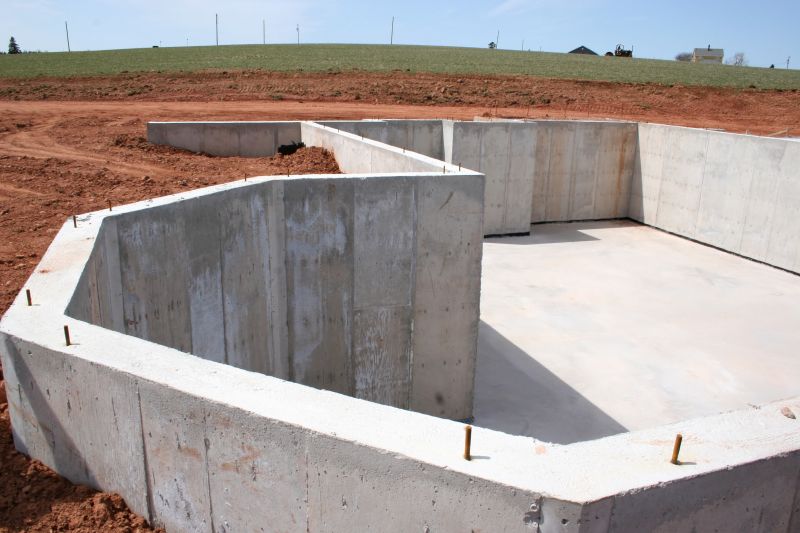
Basement foundation walls - concrete pouring provides a strong base for basement walls and supports the structure.
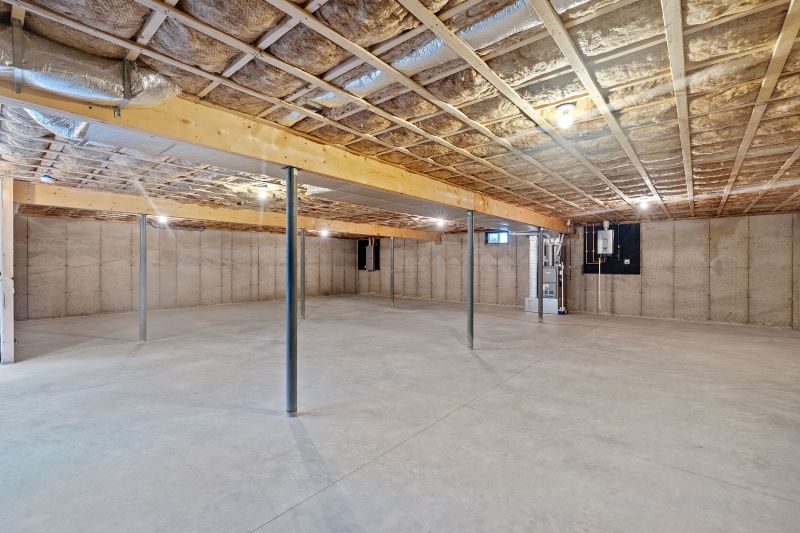
Basement flooring - poured concrete offers a durable, level surface for finished or unfinished basement floors.
Retaining wall foundations - concrete is used to create stable foundations for retaining walls in basement areas.
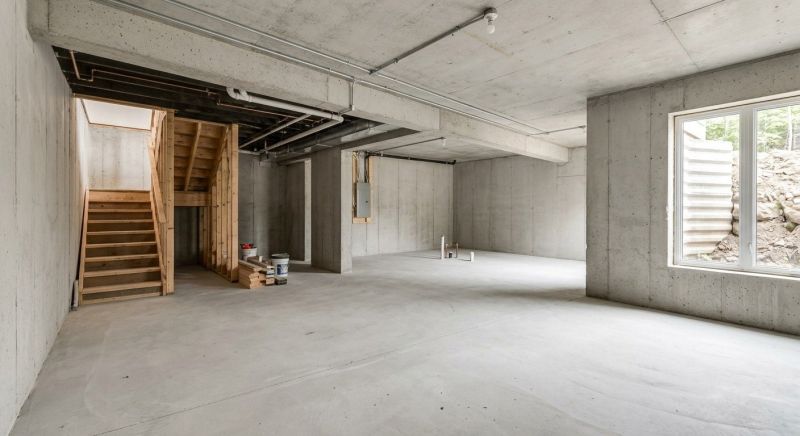
Interior basement slabs - smooth concrete slabs serve as the foundation for finishing or remodeling basement spaces.
Waterproofing bases - concrete pouring helps establish a solid barrier for basement waterproofing systems.
Egress window wells - poured concrete provides secure, stable surrounds for basement egress window installations.
Basement Concrete Pouring Questions
What types of basement projects require concrete pouring? Concrete pouring is commonly used for basement floors, foundation slabs, and support columns to ensure stability and durability.
How thick should a basement concrete slab be? Typically, basement slabs are poured between 4 to 6 inches thick, depending on the load requirements and local building codes.
What preparations are needed before pouring concrete in a basement? The area should be cleared, and a proper form and reinforcement should be in place to ensure a level and strong surface.
Are there specific considerations for basement concrete in Charleston, SC? Moisture control and proper drainage are important factors to address for basements in the area to prevent water issues.
Request Basement Concrete Pouring in Charleston, SC
Use the quote form on this page to share the basics of your project and request more information for the type of work you need.